Most adults in the UK don’t get enough fibre. A few everyday swaps can close the gap.
Good to know first
- UK guidance is for adults to aim for 30g of fibre a day.
- Most adults eat well below that, on average around 20g.
- Good sources include wholegrains, beans and pulses, fruit, vegetables, nuts and seeds.
- Increase fibre gradually and drink plenty of fluids.
Fibre is found in plant foods and helps keep your digestive system healthy. Getting enough is linked to a lower risk of several long-term diseases.
How much you need
UK guidance is for adults to aim for 30g a day. Most adults eat far less, around 20g on average, so there’s room for most of us to improve.
Good sources of fibre
| Food | Easy ways to include it |
|---|---|
| Wholegrains | Wholemeal bread, brown rice, wholewheat pasta, oats |
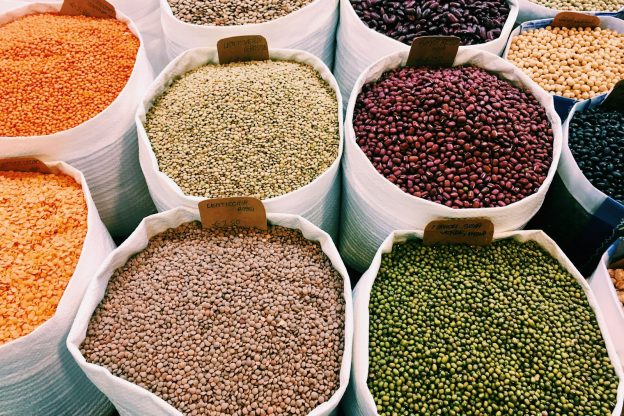
| Beans and pulses | Add lentils or chickpeas to soups, stews and salads |
| Fruit and vegetables | Eat the skins where you can, such as on potatoes and apples |
| Nuts and seeds | A small handful as a snack or sprinkled on cereal |
| Higher-fibre cereals | Choose wholegrain cereals with no added sugar |
Simple swaps
- white bread → wholemeal or seeded bread
- sugary cereal → porridge oats or wholegrain cereal
- white rice → brown rice or a mix
- crisps → a handful of unsalted nuts or a piece of fruit
Easy swap
Check food labels for fibre per 100g. Foods with 6g or more of fibre per 100g are high in fibre.
Good to remember
Raise your fibre intake gradually over a few weeks and drink plenty of fluids, which helps fibre do its job. See our guide to staying hydrated.
Building fibre into the week
Plan meals around wholegrains and add beans or extra vegetables wherever you can. Our guides to 5 A Day and balanced breakfasts have more ideas.
Your food questions
Why is fibre good for you?
A diet high in fibre is linked to a lower risk of heart disease, stroke, type 2 diabetes and bowel cancer, and it helps digestion.
Can I eat too much fibre?
Increasing fibre suddenly can cause bloating or wind. Build up gradually and drink enough fluids.
Do fibre supplements work as well as food?
Food sources provide other nutrients too. If you’re considering supplements, speak to a pharmacist or GP.
This article is general information about healthy eating, not medical advice. If you have a health condition, are pregnant, have or have had an eating disorder, or follow a special diet, speak to your GP or a registered dietitian before making changes. Figures follow NHS guidance for the UK.