Not all sugar is treated the same in health advice. Free sugars are the ones to keep an eye on.
Good to know first
- Free sugars are sugars added to food and drinks, plus sugars in honey, syrups, juices and smoothies.
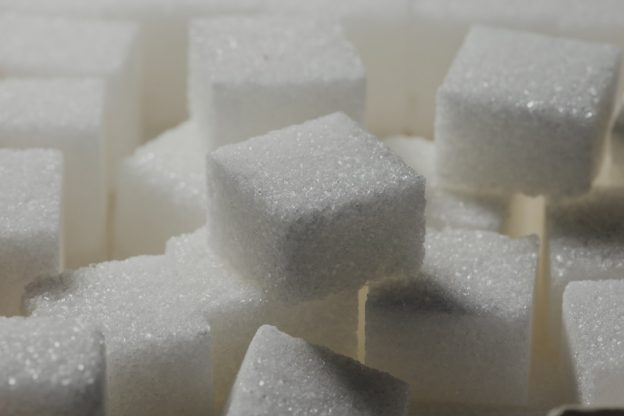
- Adults should have no more than 30g of free sugars a day, about seven sugar cubes.
- Sugars naturally in whole fruit, vegetables and milk aren’t counted as free sugars.
- Sugary drinks are one of the biggest sources for many people.
Health advice focuses on free sugars because they’re easy to over-consume and can contribute to weight gain and tooth decay.
What free sugars are
| Free sugars | Not free sugars |
|---|---|
| Sugar added to food and drinks | Sugars naturally in whole fruit |
| Honey, syrups and nectars | Sugars naturally in vegetables |
| Fruit juices and smoothies | Sugars naturally in milk |
Daily maximums
| Age | Maximum free sugars a day |
|---|---|
| Adults and children 11+ | 30g |
| Children 7 to 10 | 24g |
| Children 4 to 6 | 19g |
Where free sugars hide
- fizzy drinks, energy drinks and juice drinks
- breakfast cereals and cereal bars
- flavoured yoghurts
- sauces, such as ketchup and some pasta sauces
- biscuits, cakes and sweets
Easy swap
Use food labels: more than 22.5g of total sugars per 100g is high, and 5g or less per 100g is low. Our guide to traffic light labels explains the colours.
Practical ways to cut down
- Swap sugary drinks for water, lower-fat milk or sugar-free drinks.
- Choose plain yoghurt and add your own fruit.
- Cut down gradually on sugar in tea and coffee.
- Pick lower-sugar cereals and add fruit for sweetness.
Good to remember
Whole fruit is a great choice. Its sugars don’t count towards the free sugars limit, and it brings fibre and vitamins too.
Small changes add up
You don’t have to cut out treats entirely. Reducing the biggest sources, often drinks, makes the most difference. Pair this with our guides to salt and balanced breakfasts.
Your food questions
How much free sugar can children have?
Children aged 7 to 10 should have no more than 24g a day, and children aged 4 to 6 no more than 19g. Children under 4 should avoid foods and drinks with added sugar.
Is honey healthier than sugar?
Honey still counts as free sugar, so it’s treated the same way in health advice.
Do sweeteners help?
Swapping sugary drinks for sugar-free versions can reduce sugar intake. Water and lower-fat milk are good everyday choices.
This article is general information about healthy eating, not medical advice. If you have a health condition, are pregnant, have or have had an eating disorder, or follow a special diet, speak to your GP or a registered dietitian before making changes. Figures follow NHS guidance for the UK.